

No images found.
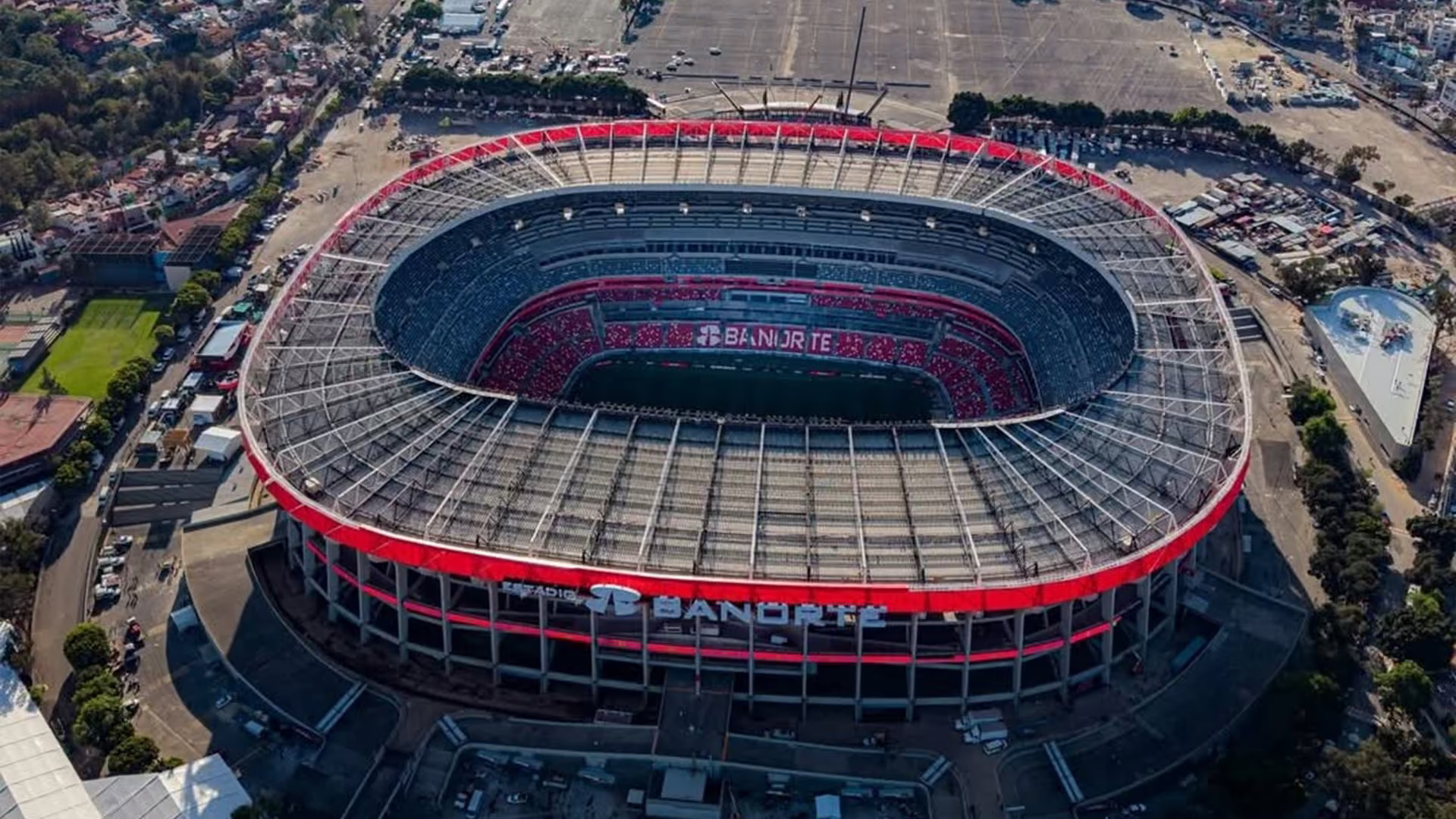
Even before the first whistle of the 2026 World Cup, one venue is already capturing the attention of football fans: theEstadio Azteca. Located in the south of Mexico City and inaugurated in 1966, the Mexican arena is set to become the first stadium in history to host three World Cup opening matches, following the 1970 and 1986 editions.
For Mexico, which will launch the tournament against South Africa on June 11, the choice of the Azteca is far from trivial. Few stadiums in the world carry such symbolic weight. It was here that Pelé lifted his third World Cup trophy with Brazil in 1970. Sixteen years later, Diego Maradona created some of the most famous moments in football history on this very pitch, including the controversial "Hand of God" and the legendary "Goal of the Century" against England.
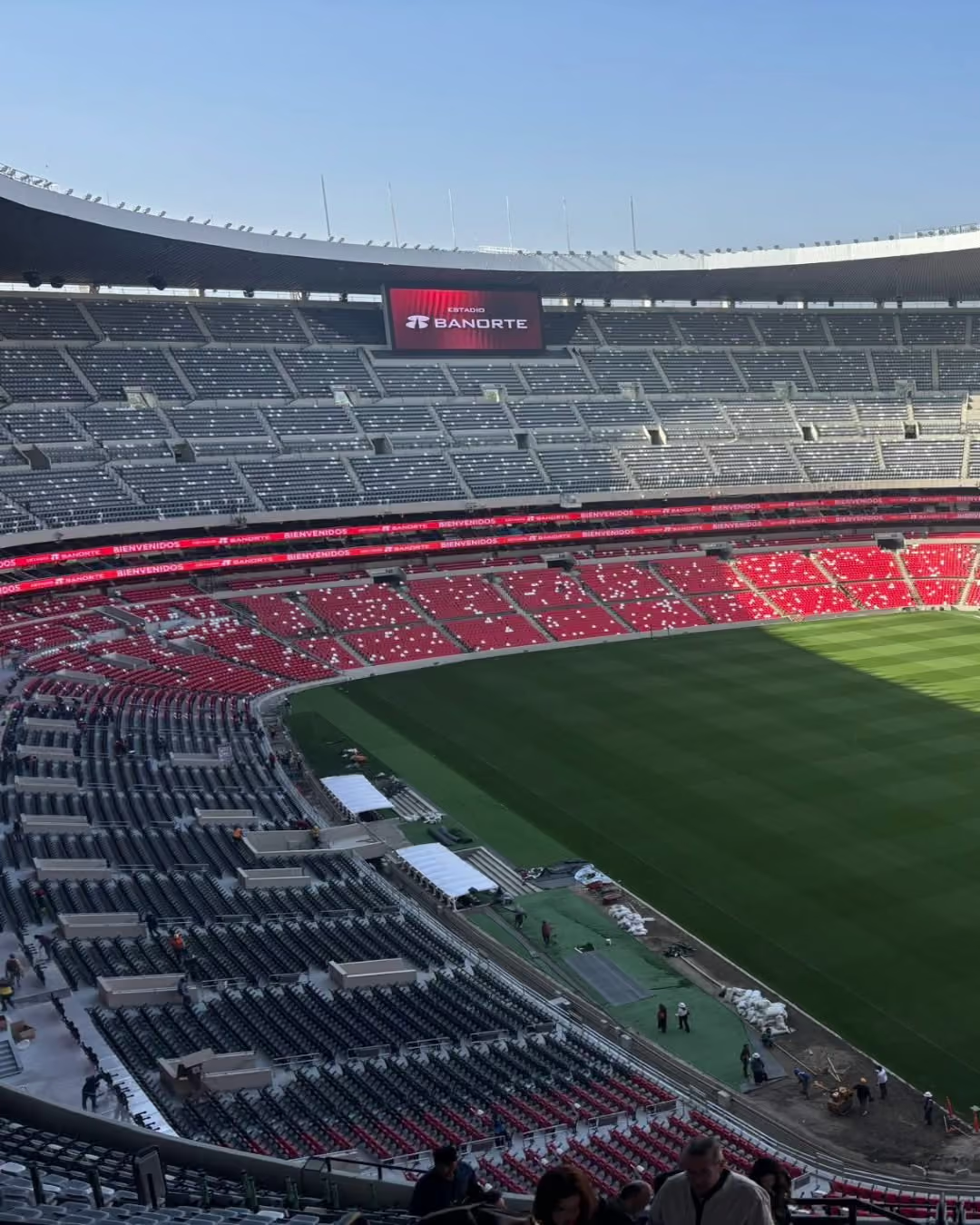
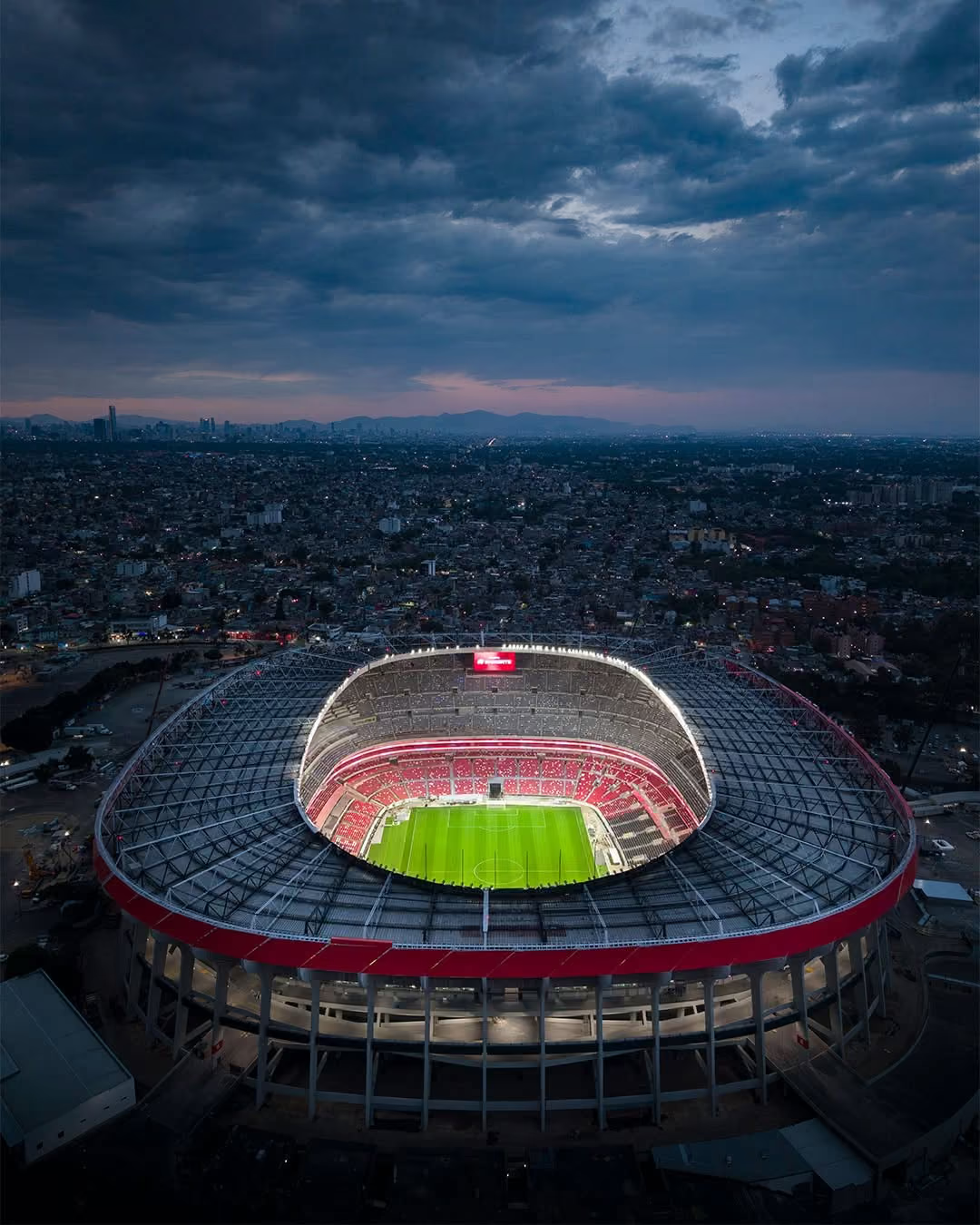
Nicknamed the "Coloso de Santa Úrsula", the Azteca has endured through the decades without losing its status as a sporting monument. Renovated several times, most notably for the 2026 World Cup, it can now accommodate nearly 87,000 spectators and remains the largest stadium in Latin America. Its monumental architecture and unique acoustics make it one of the most impressive venues in world football.
Beyond its sporting history, the Azteca also represents a piece of Mexican cultural identity. In a city perched at an altitude of over 2,200 meters, the stadium has evolved into a popular gathering place where football, collective memory, and national pride intersect.
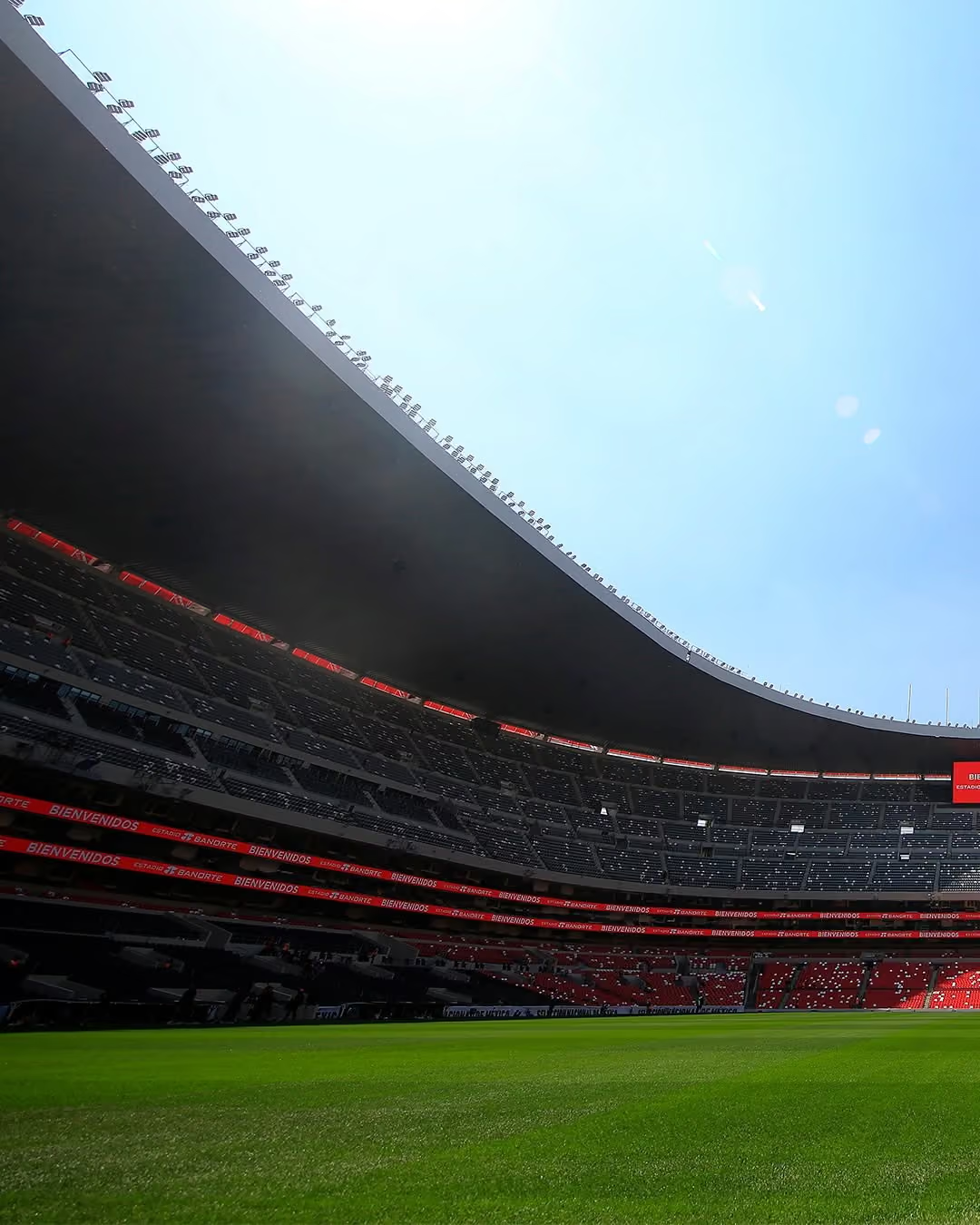
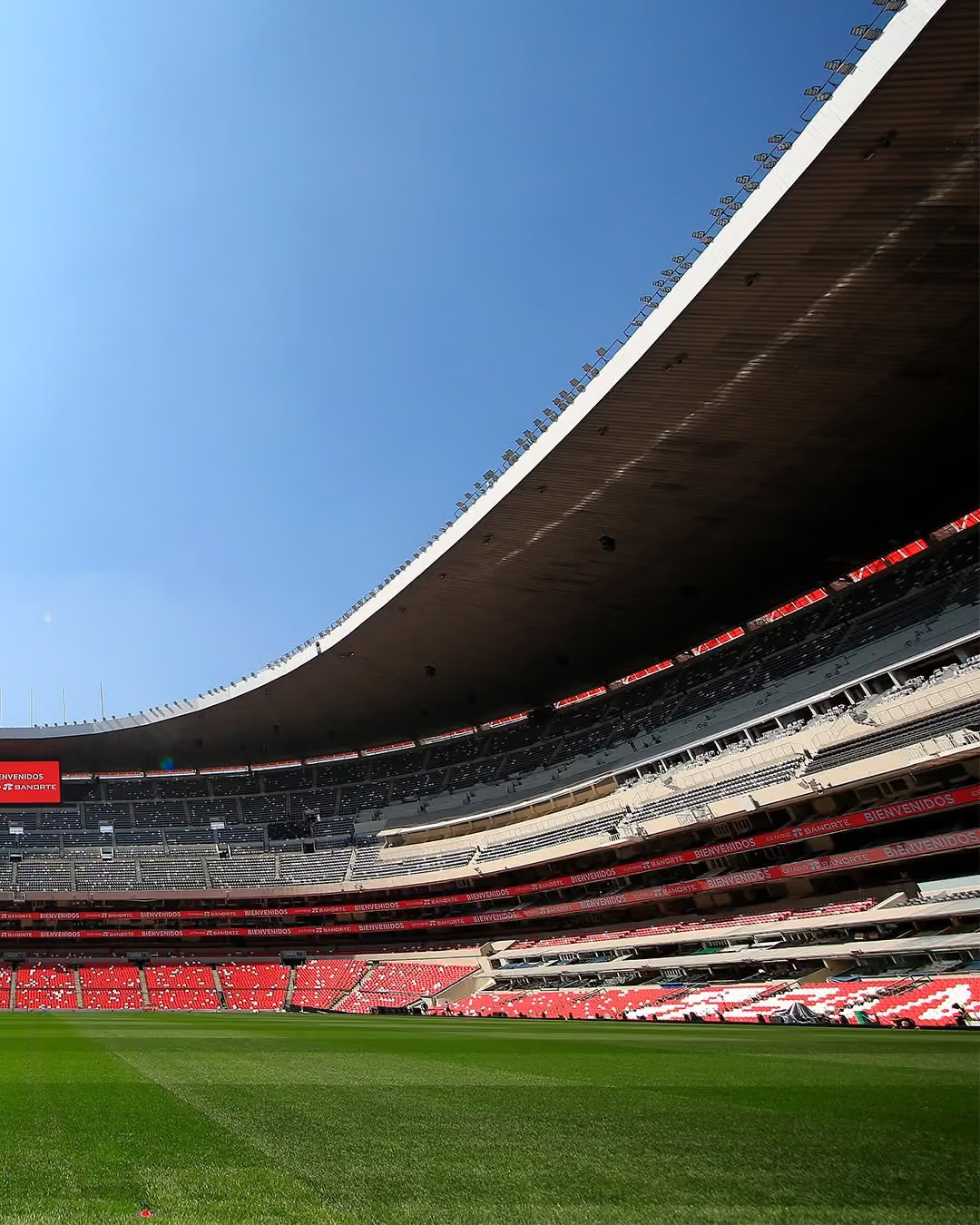
As the 2026 World Cup becomes the first to be jointly hosted by Canada, the United States, and Mexico, opening the tournament in this historic stadium feels like a passing of the torch between generations. Sixty years after its inauguration, the Azteca continues to remind us that some places transcend the realm of sport to become part of world heritage.
Even before the first whistle of the 2026 World Cup, one venue is already capturing the attention of football fans: theEstadio Azteca. Located in the south of Mexico City and inaugurated in 1966, the Mexican arena is set to become the first stadium in history to host three World Cup opening matches, following the 1970 and 1986 editions.
For Mexico, which will launch the tournament against South Africa on June 11, the choice of the Azteca is far from trivial. Few stadiums in the world carry such symbolic weight. It was here that Pelé lifted his third World Cup trophy with Brazil in 1970. Sixteen years later, Diego Maradona created some of the most famous moments in football history on this very pitch, including the controversial "Hand of God" and the legendary "Goal of the Century" against England.
Nicknamed the "Coloso de Santa Úrsula", the Azteca has endured through the decades without losing its status as a sporting monument. Renovated several times, most notably for the 2026 World Cup, it can now accommodate nearly 87,000 spectators and remains the largest stadium in Latin America. Its monumental architecture and unique acoustics make it one of the most impressive venues in world football.
Beyond its sporting history, the Azteca also represents a piece of Mexican cultural identity. In a city perched at an altitude of over 2,200 meters, the stadium has evolved into a popular gathering place where football, collective memory, and national pride intersect.
As the 2026 World Cup becomes the first to be jointly hosted by Canada, the United States, and Mexico, opening the tournament in this historic stadium feels like a passing of the torch between generations. Sixty years after its inauguration, the Azteca continues to remind us that some places transcend the realm of sport to become part of world heritage.
Even before the first whistle of the 2026 World Cup, one venue is already capturing the attention of football fans: theEstadio Azteca. Located in the south of Mexico City and inaugurated in 1966, the Mexican arena is set to become the first stadium in history to host three World Cup opening matches, following the 1970 and 1986 editions.
For Mexico, which will launch the tournament against South Africa on June 11, the choice of the Azteca is far from trivial. Few stadiums in the world carry such symbolic weight. It was here that Pelé lifted his third World Cup trophy with Brazil in 1970. Sixteen years later, Diego Maradona created some of the most famous moments in football history on this very pitch, including the controversial "Hand of God" and the legendary "Goal of the Century" against England.
Nicknamed the "Coloso de Santa Úrsula", the Azteca has endured through the decades without losing its status as a sporting monument. Renovated several times, most notably for the 2026 World Cup, it can now accommodate nearly 87,000 spectators and remains the largest stadium in Latin America. Its monumental architecture and unique acoustics make it one of the most impressive venues in world football.
Beyond its sporting history, the Azteca also represents a piece of Mexican cultural identity. In a city perched at an altitude of over 2,200 meters, the stadium has evolved into a popular gathering place where football, collective memory, and national pride intersect.
As the 2026 World Cup becomes the first to be jointly hosted by Canada, the United States, and Mexico, opening the tournament in this historic stadium feels like a passing of the torch between generations. Sixty years after its inauguration, the Azteca continues to remind us that some places transcend the realm of sport to become part of world heritage.