

No images found.
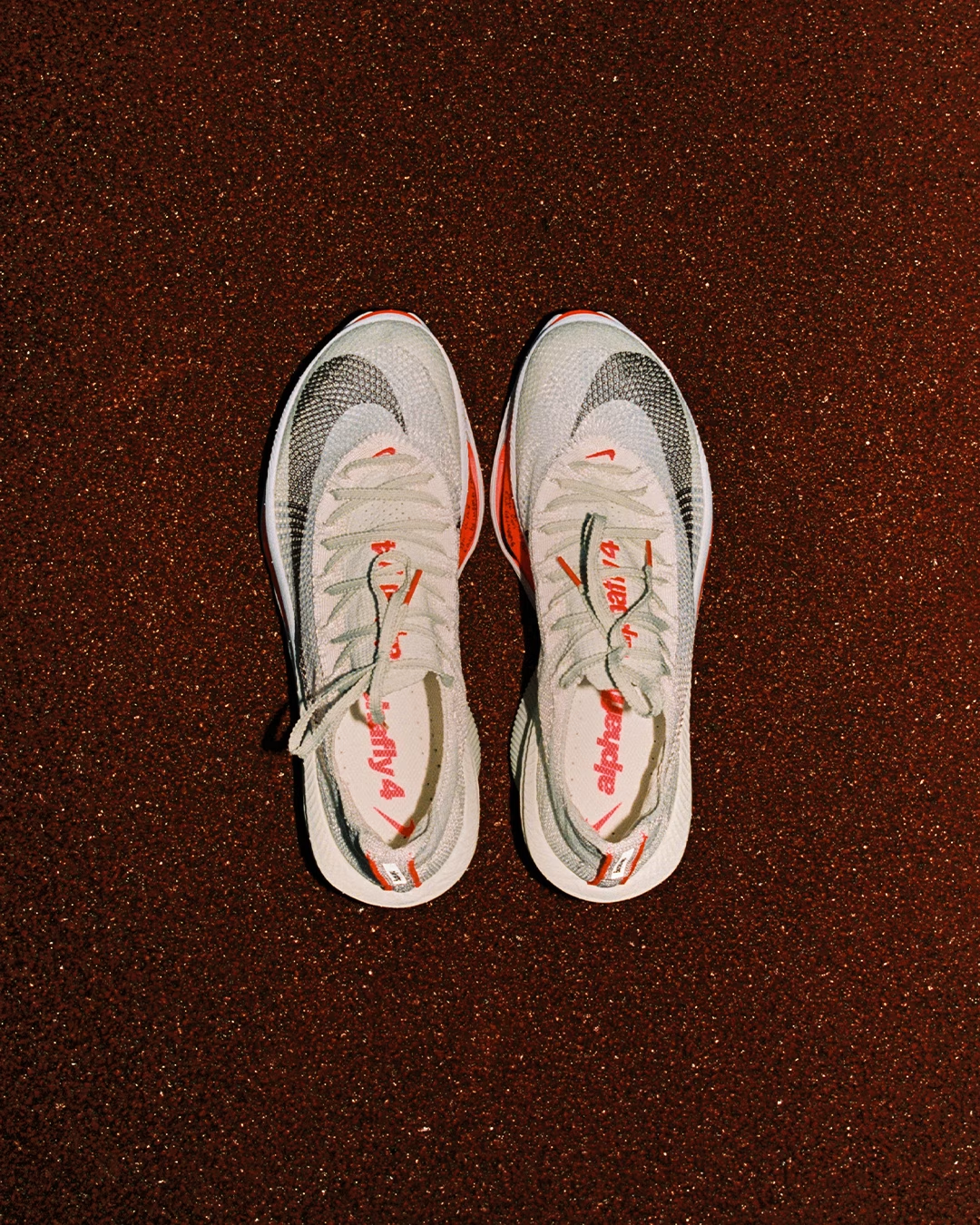
Nike unveiled theAlphafly 4 on September 17, 2026, the very day it went on sale. Nearly three years after theAlphafly 3, the Swoosh brand describes it as the lightest and most responsive Alphafly ever made, redesigned from the ground up to help more runners reach their marathon speed, whether they are aiming for a podium finish or a personal best.
Running fans saw the model long before its announcement. Prototypes were worn in competition over the past year, notably during Jacob Kiplimo 's half-marathon world record in March and Conner Mantz's American marathon record. In the spring, Charles Hicks ran a 2:04:35 at the Boston Marathon in a prototype, a record for a British-born runner, and many first spotted the shoe on the feet of Addisu Gobena, winner of this year's Sydney Marathon.
The launch schedule is out of the ordinary. Nike accelerated its rollout so the shoe would be available for the World Road Running Championships in Copenhagen on September 19 and 20, which require models to be already on the market. The model will then take on Berlin, Chicago, and New York.
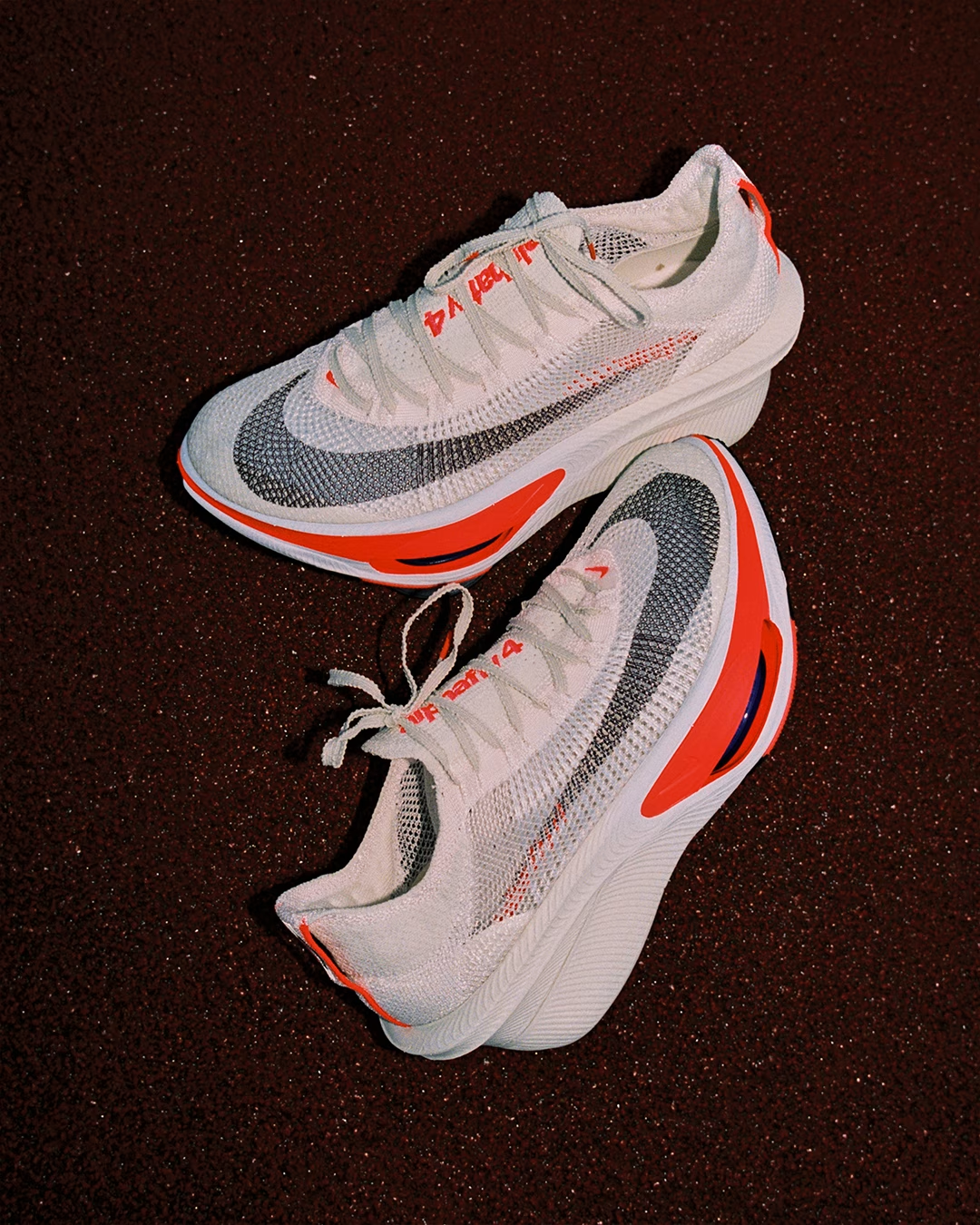
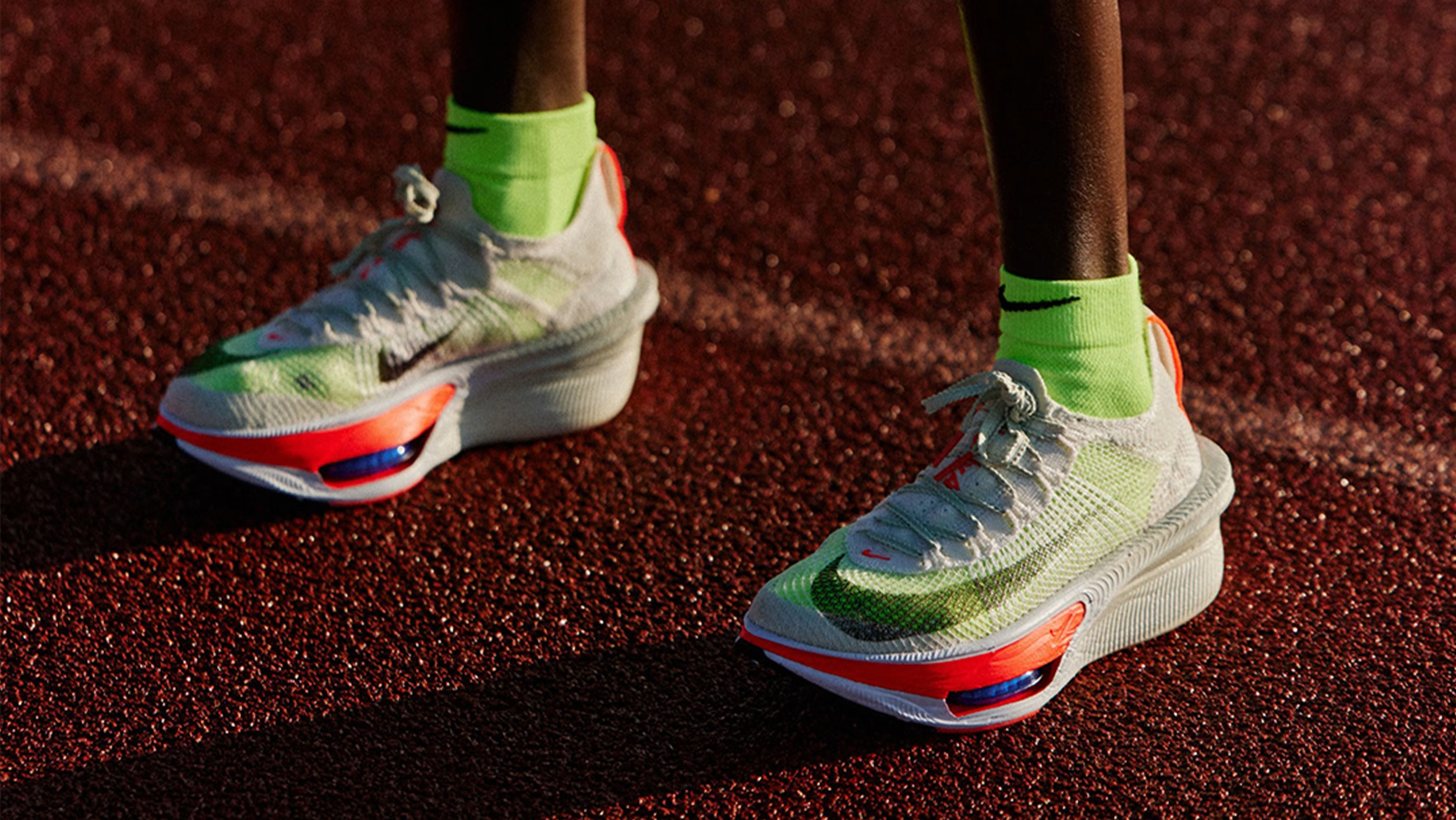
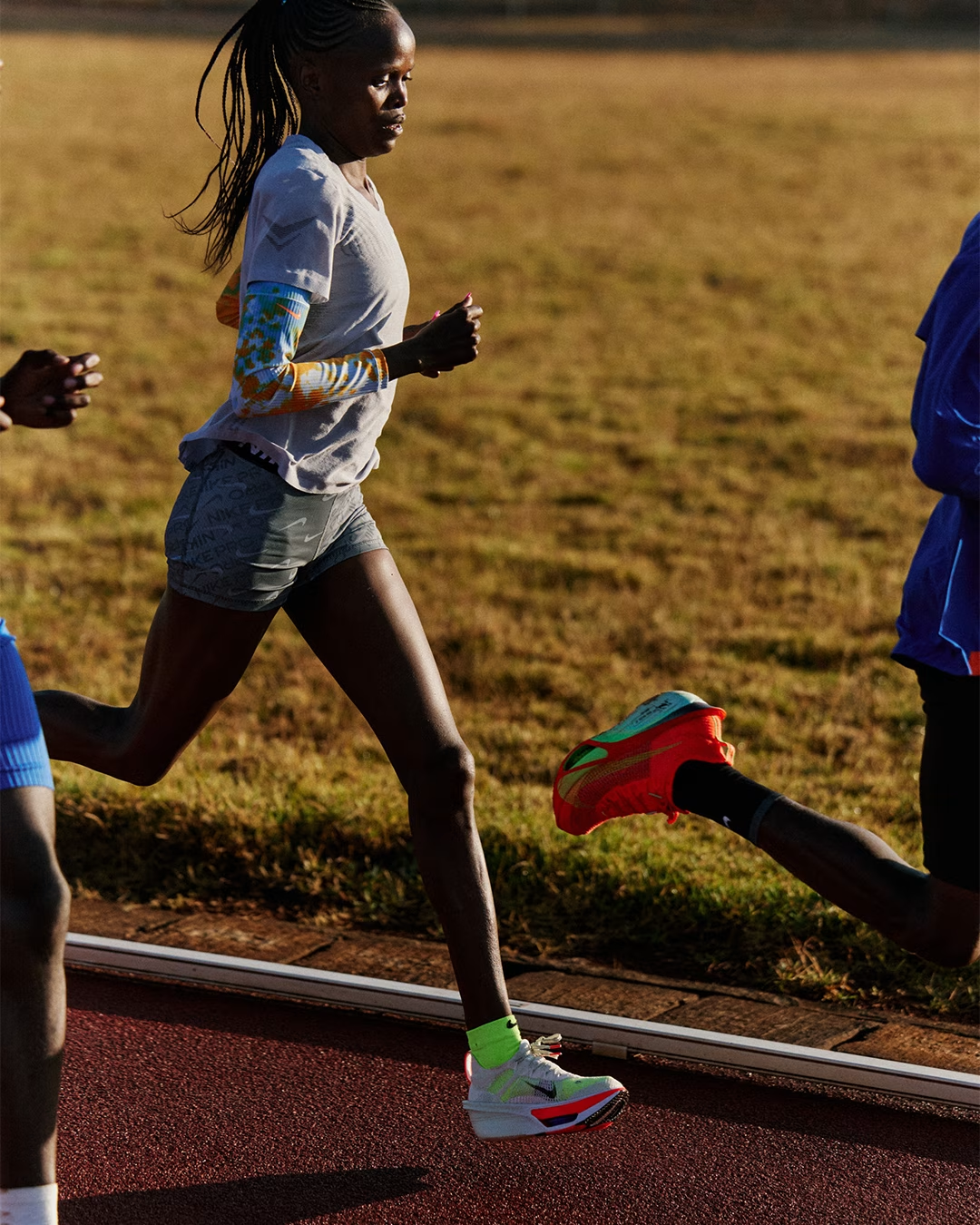
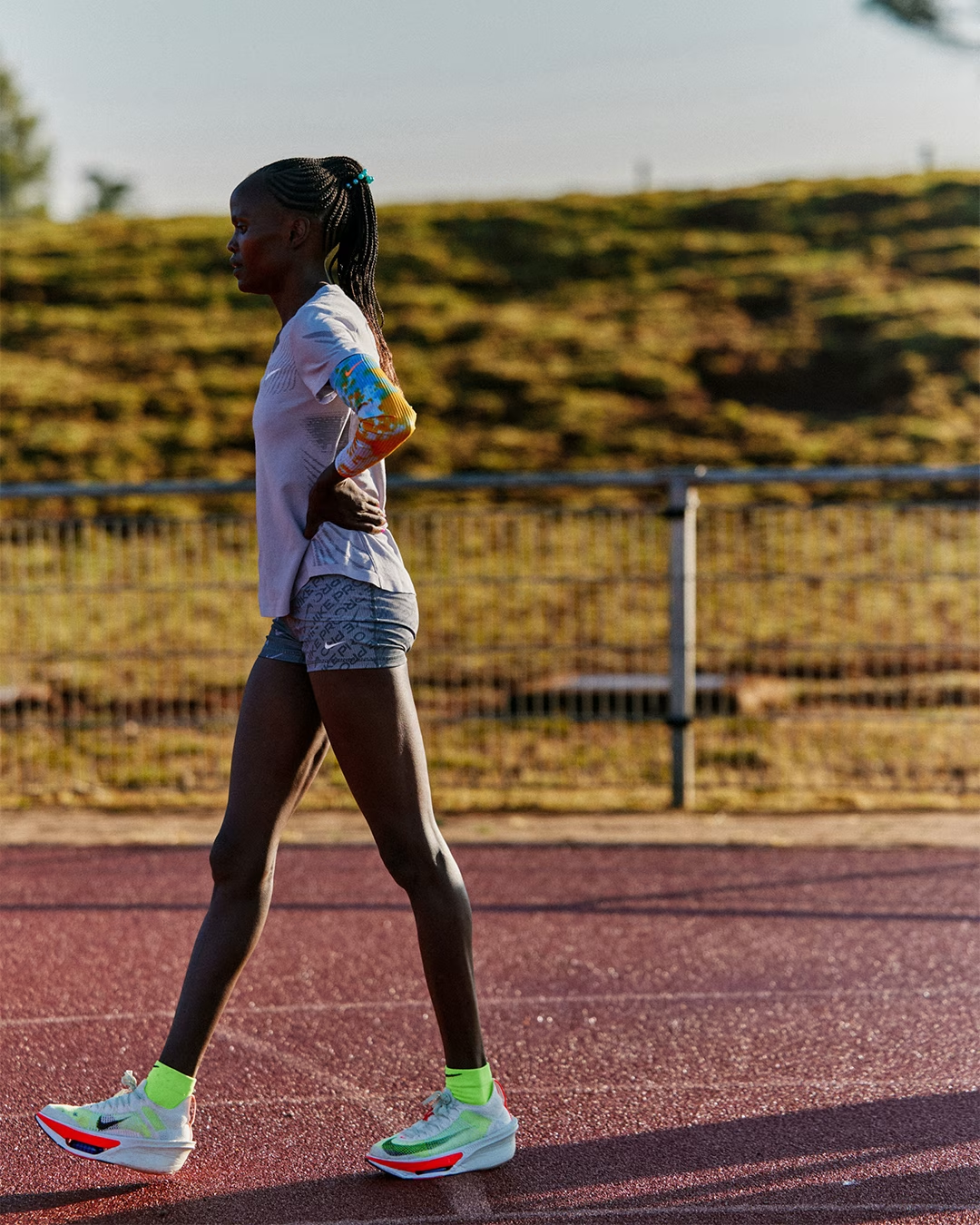
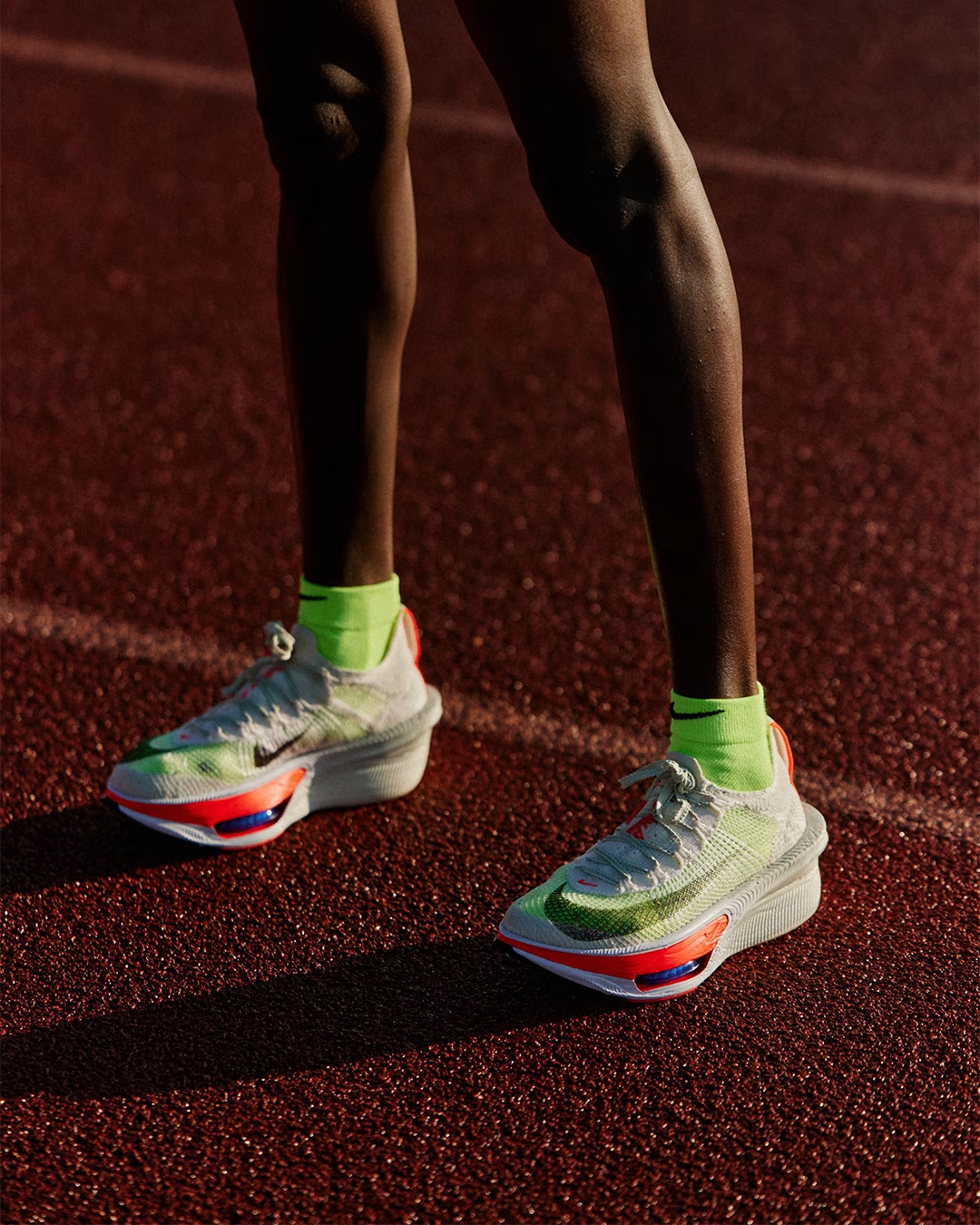
On the technical side, every major component has been re-engineered. The shoe offers 10% more energy return than the previous version and weighs 5% less in a men's size 9. It features a new Atomknit upper, ZoomX LT foam (17% lighter and 8% more energetic than standard ZoomX), updated Air Zoom units, a carbon Flyplate, and a Fast Shot outsole. The plate retains its curved shape on a wider base in the forefoot—one of the most common pieces of feedback from testers—along with a more pronounced rocker. The air cushions, now radio-frequency welded, are 30% lighter, and Nike promises a quieter ride. The stack height is 39 mm at the heel and 31 mm at the forefoot, for an 8 mm drop.
For development, Nike relied on athletes such as Jacob Kiplimo, Faith Kipyegon and Conner Mantz, as well as club runners, including a research program tracking over 100 women leading up to the Chicago Marathon. The goal: a shoe as useful for elites as it is for runners finishing a marathon in four or five hours.
TheAlphafly 4 was released in a limited-edition preview on September 17 on nike.com, with wider availability starting October 29. In the United States, it costs $280, which is $25 less than the current price of the Alphafly 3.
Nike unveiled theAlphafly 4 on September 17, 2026, the very day it went on sale. Nearly three years after theAlphafly 3, the Swoosh brand describes it as the lightest and most responsive Alphafly ever made, redesigned from the ground up to help more runners reach their marathon speed, whether they are aiming for a podium finish or a personal best.
Running fans saw the model long before its announcement. Prototypes were worn in competition over the past year, notably during Jacob Kiplimo 's half-marathon world record in March and Conner Mantz's American marathon record. In the spring, Charles Hicks ran a 2:04:35 at the Boston Marathon in a prototype, a record for a British-born runner, and many first spotted the shoe on the feet of Addisu Gobena, winner of this year's Sydney Marathon.
The launch schedule is out of the ordinary. Nike accelerated its rollout so the shoe would be available for the World Road Running Championships in Copenhagen on September 19 and 20, which require models to be already on the market. The model will then take on Berlin, Chicago, and New York.
On the technical side, every major component has been re-engineered. The shoe offers 10% more energy return than the previous version and weighs 5% less in a men's size 9. It features a new Atomknit upper, ZoomX LT foam (17% lighter and 8% more energetic than standard ZoomX), updated Air Zoom units, a carbon Flyplate, and a Fast Shot outsole. The plate retains its curved shape on a wider base in the forefoot—one of the most common pieces of feedback from testers—along with a more pronounced rocker. The air cushions, now radio-frequency welded, are 30% lighter, and Nike promises a quieter ride. The stack height is 39 mm at the heel and 31 mm at the forefoot, for an 8 mm drop.
For development, Nike relied on athletes such as Jacob Kiplimo, Faith Kipyegon and Conner Mantz, as well as club runners, including a research program tracking over 100 women leading up to the Chicago Marathon. The goal: a shoe as useful for elites as it is for runners finishing a marathon in four or five hours.
TheAlphafly 4 was released in a limited-edition preview on September 17 on nike.com, with wider availability starting October 29. In the United States, it costs $280, which is $25 less than the current price of the Alphafly 3.
Nike unveiled theAlphafly 4 on September 17, 2026, the very day it went on sale. Nearly three years after theAlphafly 3, the Swoosh brand describes it as the lightest and most responsive Alphafly ever made, redesigned from the ground up to help more runners reach their marathon speed, whether they are aiming for a podium finish or a personal best.
Running fans saw the model long before its announcement. Prototypes were worn in competition over the past year, notably during Jacob Kiplimo 's half-marathon world record in March and Conner Mantz's American marathon record. In the spring, Charles Hicks ran a 2:04:35 at the Boston Marathon in a prototype, a record for a British-born runner, and many first spotted the shoe on the feet of Addisu Gobena, winner of this year's Sydney Marathon.
The launch schedule is out of the ordinary. Nike accelerated its rollout so the shoe would be available for the World Road Running Championships in Copenhagen on September 19 and 20, which require models to be already on the market. The model will then take on Berlin, Chicago, and New York.
On the technical side, every major component has been re-engineered. The shoe offers 10% more energy return than the previous version and weighs 5% less in a men's size 9. It features a new Atomknit upper, ZoomX LT foam (17% lighter and 8% more energetic than standard ZoomX), updated Air Zoom units, a carbon Flyplate, and a Fast Shot outsole. The plate retains its curved shape on a wider base in the forefoot—one of the most common pieces of feedback from testers—along with a more pronounced rocker. The air cushions, now radio-frequency welded, are 30% lighter, and Nike promises a quieter ride. The stack height is 39 mm at the heel and 31 mm at the forefoot, for an 8 mm drop.
For development, Nike relied on athletes such as Jacob Kiplimo, Faith Kipyegon and Conner Mantz, as well as club runners, including a research program tracking over 100 women leading up to the Chicago Marathon. The goal: a shoe as useful for elites as it is for runners finishing a marathon in four or five hours.
TheAlphafly 4 was released in a limited-edition preview on September 17 on nike.com, with wider availability starting October 29. In the United States, it costs $280, which is $25 less than the current price of the Alphafly 3.